The fastest way to drive awareness and ticket sales on X is a seeded event hashtag paired with a pinned event thread, amplified through targeted retargeting. Build the hashtag and thread organically for 4 to 6 weeks, then layer in paid amplification to push warm audiences toward checkout. Expect three measurable outcomes: awareness, engagement, and website clicks that convert into tickets.
TL;DR:
- Lock and promote a short, unique hashtag immediately to establish brand recognition before intensifying outreach in the final weeks.
- Use a centralized, pinned event thread with a clear CTA, countdown graphics, and speaker assets to drive engagement and maintain momentum.
- Combine organic content like videos and structured threads with targeted paid ads such as promoted tweets, videos, and retargeting to maximize ticket sales.
- Assign dedicated team roles for live updates, attendee engagement, and content collection during the event to boost real-time reach and trust.
- Track core metrics like conversions, referral traffic, and engagement, ensuring pixel and UTM setup before promotion to measure campaign success accurately.
Table of Contents
- How Do You Build Pre-Event Momentum on X?
- What Content Formats Get the Most Engagement Before an Event?
- Which X Ad Formats Actually Sell Tickets?
- What Should Your Team Do on Event Day?
- How Do You Turn Event Buzz Into Future Ticket Sales?
- What Metrics Actually Prove Your X Campaign Worked?
- What Do Most Event Teams Get Wrong on X?
- Ready to Run Your Event’s Timeline Takeover?
- Sources
How Do You Build Pre-Event Momentum on X?
Momentum on X doesn’t happen the week before doors open. It gets built in phases, starting with a 4 to 6 week pre-promotion window followed by a 1 to 3 week build phase where cadence intensifies.
- Lock the hashtag first. Keep it short, unique, and easy to type on mobile. Search it before you commit. If it’s already in use for something unrelated, pick a new one. Once approved, place it everywhere: email footers, ticket confirmations, signage mockups, and speaker slide templates.
- Set up the event hub. Either a pinned tweet on your brand account or a dedicated event account works, but it needs three things visible at a glance: the ticket link, the date, and the hashtag.
- Seed speaker assets early. Send speakers a one-page creator brief with pre-written post copy, headshots, and the hashtag baked in. Ask for two scheduled posts: one at announcement, one at the two-week mark.
- Grow the right followers, not just more followers. Build a short list of adjacent accounts in your niche and engage with their replies before you ever ask for a follow back.
A content calendar keeps this cadence from collapsing into last-minute scrambling, which is where most organizers lose weeks two and three.
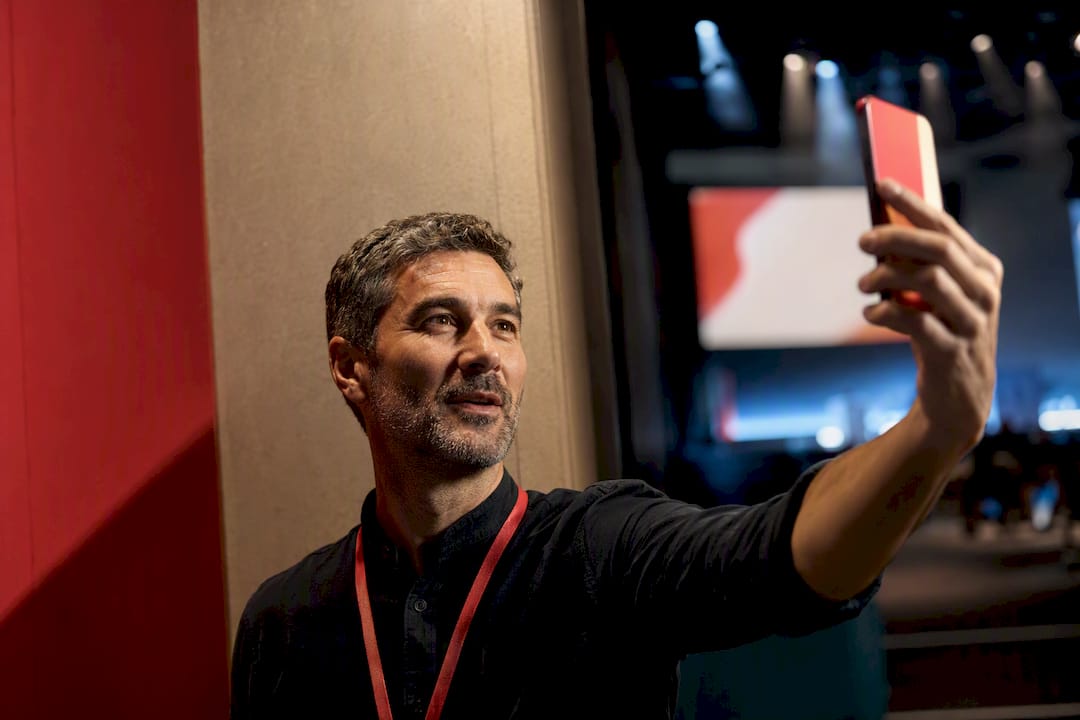
Pro Tip: Ask every confirmed speaker for a 15-second selfie video saying why they’re excited to attend. These outperform static graphics and cost you nothing but a text message.
What Content Formats Get the Most Engagement Before an Event?
Visuals and structured threads consistently outperform text-only posts on X, and event promotion is no exception. Your pinned thread is the hub, so treat it like a living document rather than a one-time post.
- Pinned thread structure: Hook (a bold claim or stat about why this event matters) → Why attend (three concrete benefits, not vague ones) → Social proof (a speaker name, past-year numbers, or a partner logo) → CTA (the ticket link, stated plainly).
- Speaker cards: A consistent template with headshot, name, and one-line topic, refreshed as each new speaker confirms.
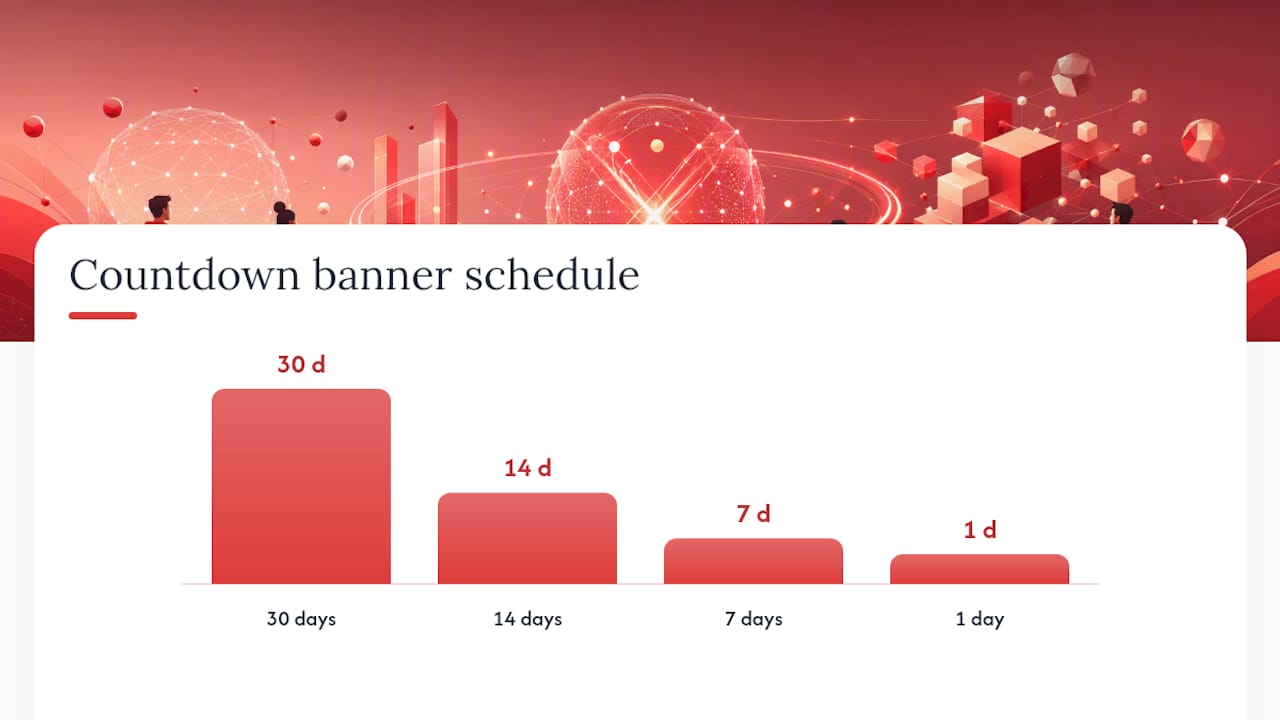
- Countdown banners: Simple graphics posted at 30, 14, 7, and 1 day out.
- Short clips and GIFs: A 6 to 10 second teaser clip beats a static image almost every time on engagement rate.
Automate the countdown posts. Stay live and human for anything tied to a speaker reveal or a ticket-price change. For thread inspiration, these thread templates adapt directly to event hubs.
Pro Tip: Update your pinned thread’s final line every time you add a new speaker. A stale pinned thread signals a stale event.
Which X Ad Formats Actually Sell Tickets?
Blending organic reach with targeted paid amplification is the highest-leverage move available to event marketers on X, and the platform’s advertising audience gives you real scale to work with.
- Promoted tweets push your announcement or speaker reveal into more timelines during the first 48 hours.
- Promoted trends work for major launches with a big enough budget to justify the spend.
- Video placements carry your teaser clips further than static promoted posts.
- Follower lookalikes let you target users similar to followers of speakers, sponsors, or competitor accounts in your space.
- Custom audiences built from site visitors, past attendees, and engagers convert at a noticeably higher rate than cold targeting.
Sequence your retargeting creatives: site visitors see a benefits-focused ad, video viewers see a testimonial or speaker clip, cart abandoners see a deadline-driven offer. Split test two creative angles per audience segment and watch cost-per-acquisition, not just reach, when deciding where to spend more. Audience targeting done right often costs less per registration than a broad awareness buy.
What Should Your Team Do on Event Day?
Live-day activity is where organic reach spikes hardest, and it needs assigned roles, not improvisation.
- Live tweeter: posts real-time updates, quotable speaker lines, and short clips every 20 to 30 minutes.
- Monitor: tracks the hashtag feed and flags anything worth a reply or a re-share.
- Reply coordinator: answers attendee questions and mentions within minutes, not hours.
- Content grabber: shoots photos and short video for same-day and next-day posts.
Pin your best live update as it happens so newcomers scrolling the hashtag land on your strongest content first. Put the hashtag on every screen, badge, and step-and-repeat banner on site, and consider a small incentive (a raffle entry, a shoutout) for attendees who post with it. Social due diligence is real: many attendees check the hashtag before buying or before deciding whether to engage further, so an active, responsive feed builds trust fast. For anything negative, have a short template reply ready and escalate to a human conversation off-platform quickly. Engagement tactics built for live coverage help your reply coordinator move faster under pressure.
Pro Tip: Assign one person to screenshot your best attendee tweets during the event. You’ll need them for the 24-hour recap post, and hunting for them after the fact wastes valuable momentum.
How Do You Turn Event Buzz Into Future Ticket Sales?
The first 24 to 48 hours matter more than most organizers treat them. Post highlights, standout quotes, top photos, and personal thank-yous while the hashtag is still active and searchable.
- Cut recorded sessions into short clips and quote cards for the following two weeks.
- Request usage rights from attendees who posted strong photos or videos, and offer a shoutout or small perk in exchange.
- Push an early-bird link for next year’s event while enthusiasm is still fresh.
- Send a feedback survey within 72 hours, then follow up with a mailing-list recap a week later.
This repurposing window is where a single event stretches into months of content, and it costs almost nothing beyond editing time.
What Metrics Actually Prove Your X Campaign Worked?
Attribution starts before launch, not after. Set UTM parameters on every ticket link and confirm pixel tracking fires correctly before your first promoted post goes live.
- Core KPIs: impressions, engagement rate, hashtag mentions, referral traffic by UTM, and ticket conversions.
- Setup checklist: X Pixel installed, consistent UTM naming across every post, and an event-specific conversion funnel.
- Retargeting match rates from offline lists are rarely 100%. Matched users tend to convert at a higher rate than cold audiences, so weight budget toward retargeting once match quality is confirmed.
- Reporting cadence: check daily during the build phase, then move to a single post-event report covering reach, cost-per-registration, and top-performing creative.
Weigh ROAS against pure awareness goals early. A campaign chasing ticket sales should optimize budget toward retargeted, high-intent audiences rather than broad reach, and engagement benchmarks give you a baseline to judge whether your numbers are actually strong.
What Do Most Event Teams Get Wrong on X?
Most event campaigns fail for the same three reasons: the hashtag gets seeded too late, the CTA is buried three lines into a thread instead of stated plainly, and nobody sets up retargeting until after tickets stop selling. Nowix runs creator seeding and controlled quote-retweets for tech and AI brand launches, and the pattern holds every time: campaigns that combine a large creator push with retargeting outperform organic-only efforts by a wide margin. The fix for late hashtag seeding is simple. Lock it the day you lock the date. The fix for weak CTAs is to state the ticket link in the first line of your pinned thread, not the last. If you’re planning a bigger push, a structured checklist for creator-coordinated launches removes most of the guesswork.
— Knowix
Ready to Run Your Event’s Timeline Takeover?
Nowix is the direct route for tech and AI organizers who don’t have the internal bandwidth to run this playbook themselves. Instead of assembling a live-tweeter, monitor, and reply coordinator from your own team, Nowix’s X management service runs daily content, replies, and community engagement for your event account from announcement through post-event recap.
For launches that need a rapid awareness spike, such as a keynote reveal or a surprise speaker drop, timeline takeover campaigns coordinate up to 700 creators within a one-hour window to push your event hashtag into visibility fast. Request an estimate and share your event date, and Nowix will map out which phase of the playbook needs the most support.
Sources
Guidance above draws on X ads strategy, hashtag seeding practices, platform reach data, and content format performance.
- Mastering X (Twitter) Ads for Event Promotion in 2026: Real-Time Buzz & Fan Conversations that Drive Ticket Sales | Ticket Fairy Promoter Blog
- How To Utilise X (Formally Twitter) In Your Event Promotion Strategy | TicketSource
- How to Use Twitter to Promote Your Event: Complete Guide | TweetHunter
- How to Promote an Event on Twitter: 21 Tips for Success - Social Tables
Recommended
- Tech Startup Announcement Strategy: Engineering a Timeline Takeover on X
- Go Viral on X: Timeline Takeover Campaigns
- Go Viral on X: The Engineered Playbook for Tech Brand Dominance in 2026
Frequently asked questions
What should be ready before a brand launch on X?
Prepare the approved announcement, audience, product proof, destination link, publishing owner and follow-up plan. Where creators are involved, confirm the brief and delivery window.
Can a launch plan guarantee a trend or sales?
No. Agree the work and reporting before launch, then measure delivered activity, observed reach and recorded website actions separately.